Hardwood Manufacturing: From Forest to Lumber
The process of manufacturing hardwood flooring begins deep in North American forests. Approximately 230 billion trees cover U.S. forests, with nurseries distributing about 1.3 billion seedlings annually — resulting in roughly 2.2 million acres of new tree planting each year. Red and white oak are the most commonly harvested species for flooring, with maple, ash, cherry, and hickory also being popular choices among homeowners and designers.
The Appalachian Mountains: A Prime Resource
The Appalachian Mountains serve as a primary hardwood source for American wood products. Trees grown in this region produce flooring with clear grains and consistent colors, making them ideal for premium hardwood flooring products. The region's climate and soil conditions create optimal growing environments for species that yield the highest quality lumber.
Harvesting the Hardwood
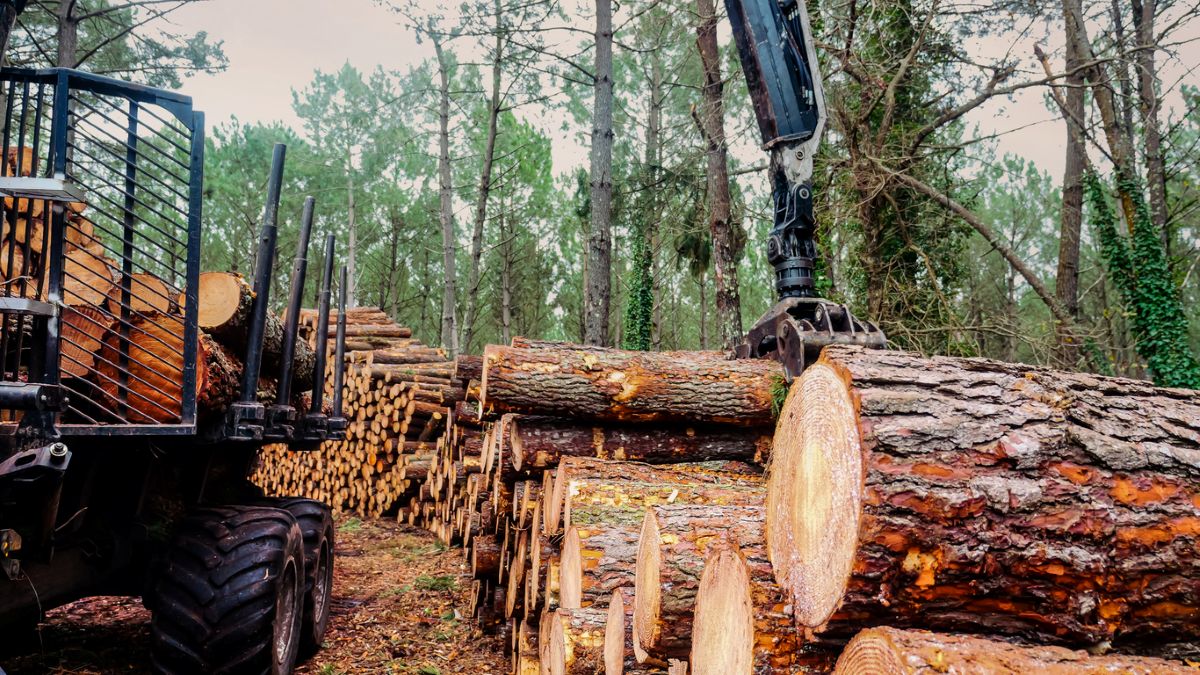
Oak trees require approximately 40 years to reach maturity, though foresters typically harvest at around 60 years for optimal lumber quality. Organizations like the National Wood Flooring Association and Forest Stewardship Council carefully manage harvesting practices to prevent deforestation. The FSC offers certification ensuring that products come from responsibly managed forests, giving consumers confidence in the sustainability of their flooring choices.
Drying the Harvested Wood
After felling, trees are left to air-dry for three to six months to reach 20–25% moisture levels. Following this natural drying period, the lumber spends approximately 16 days in specially designed kilns, which reduce moisture content to approximately 6–9%. This careful drying process is critical to ensuring the dimensional stability of the finished flooring product.
Milling: Where Trees Become Lumber
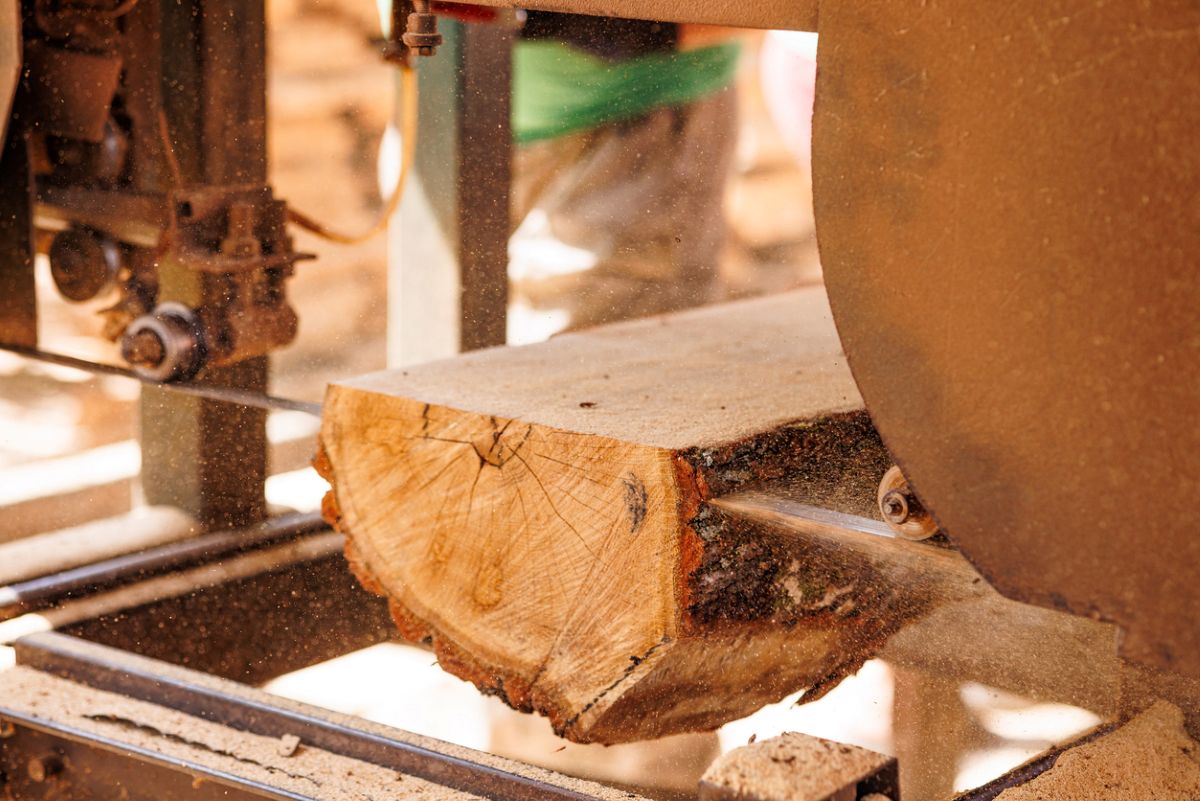
Raw timber undergoes rough-cutting into thick planks, typically 3/4 inch thick and at least 3 inches wide, with lengths ranging from six inches to 20 feet. Plain sawing is the most common cutting method, which produces minimal waste and creates the varied grain patterns that give each plank its unique character and beauty.
Shaping the Wood Flooring Product
The planing process creates uniform thickness across all planks while revealing the wood's natural grain patterns. Specialized knot saws remove defects including burls, knots, and splits. Trimmed pieces don't go to waste — they become sawdust that fuels manufacturing plants or serve as components for other wood products.
Side and End Matching
Precision machinery mills a tongue into one edge of each plank and a corresponding groove into the other, with bevels added to the top edges. This tongue and groove formation enables the planks to fit together seamlessly during installation, creating a tight, uniform floor surface without gaps.
Grading the Wood's Quality
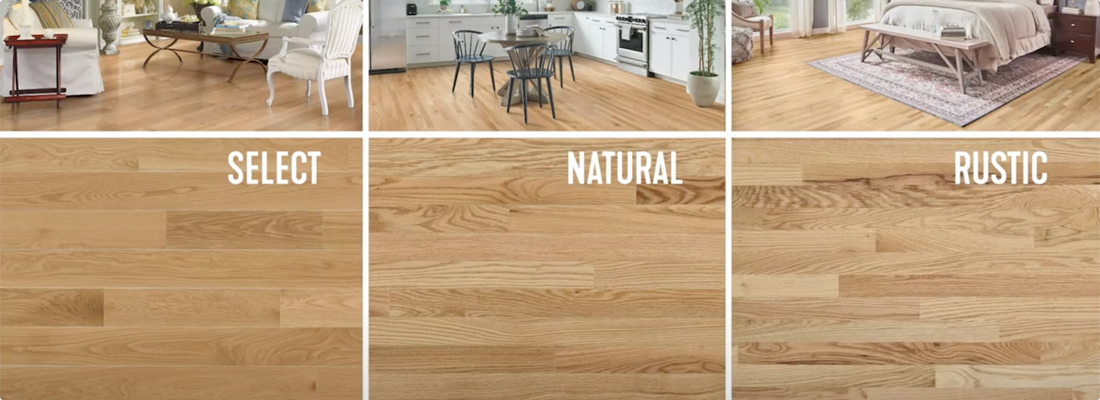
Finished planks are carefully sorted into three quality grades:
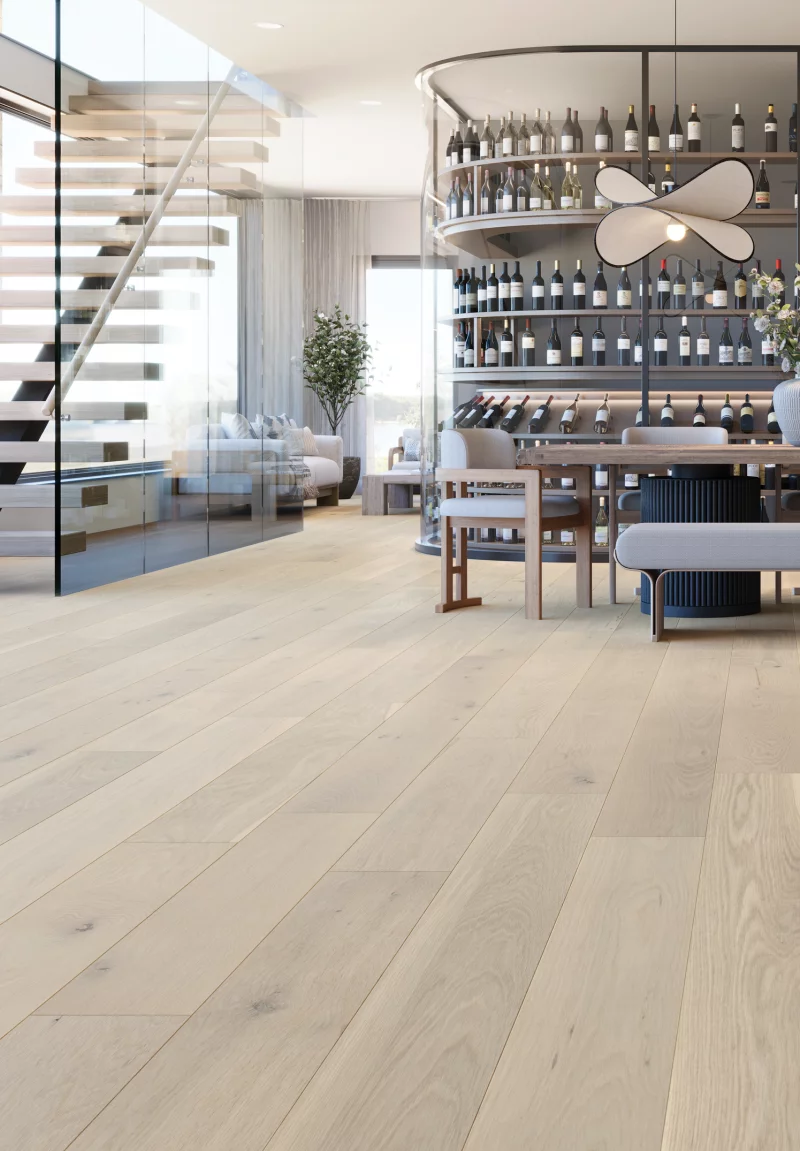
- Select — Features few knots with uniform color, providing a clean and elegant appearance
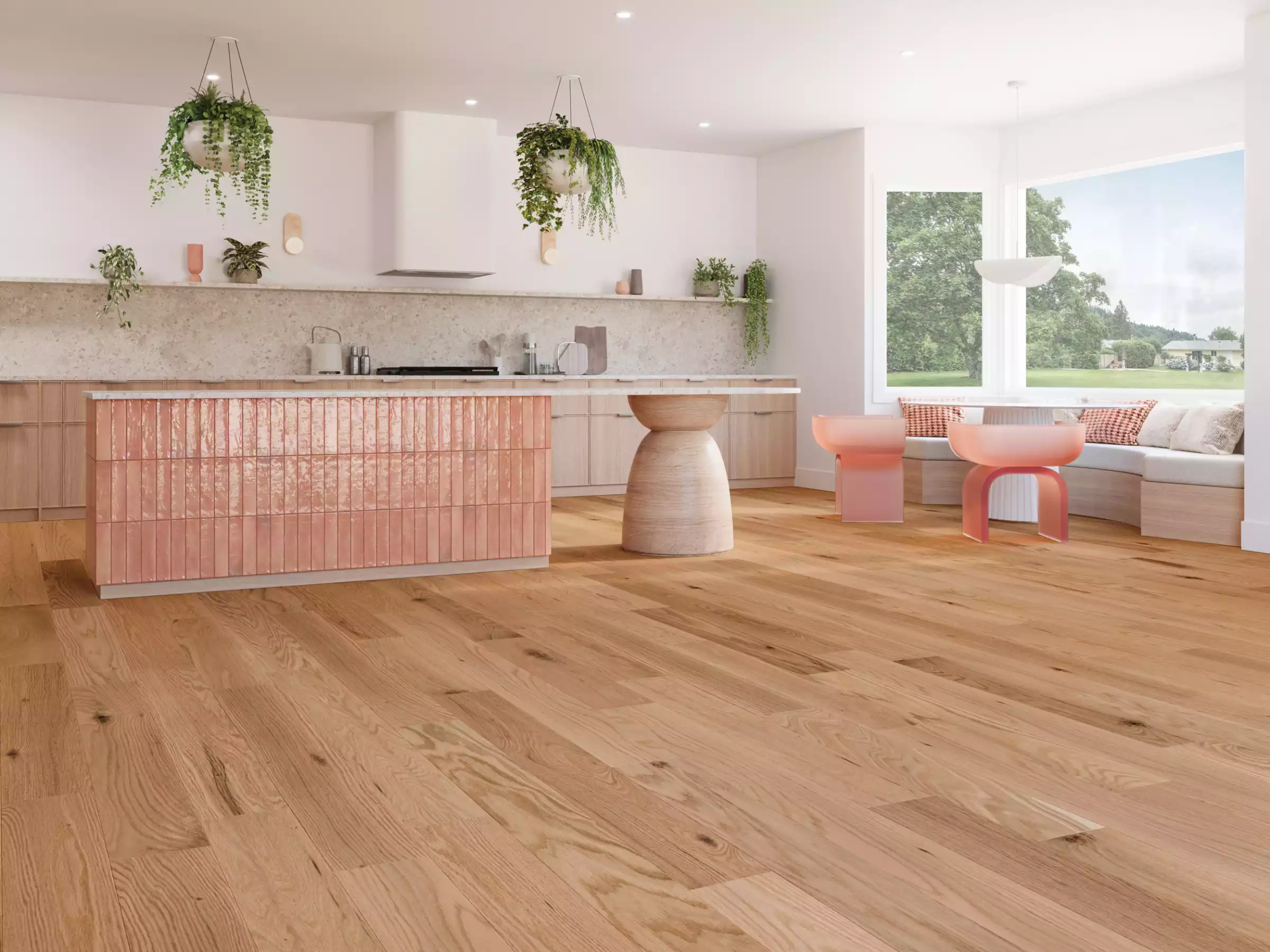
- Natural — Displays varied appearance with natural knots and color variations for a balanced look
- Rustic — Showcases the most character with prominent knots and minor defects for a distinctive style
Feature Creation During Manufacturing
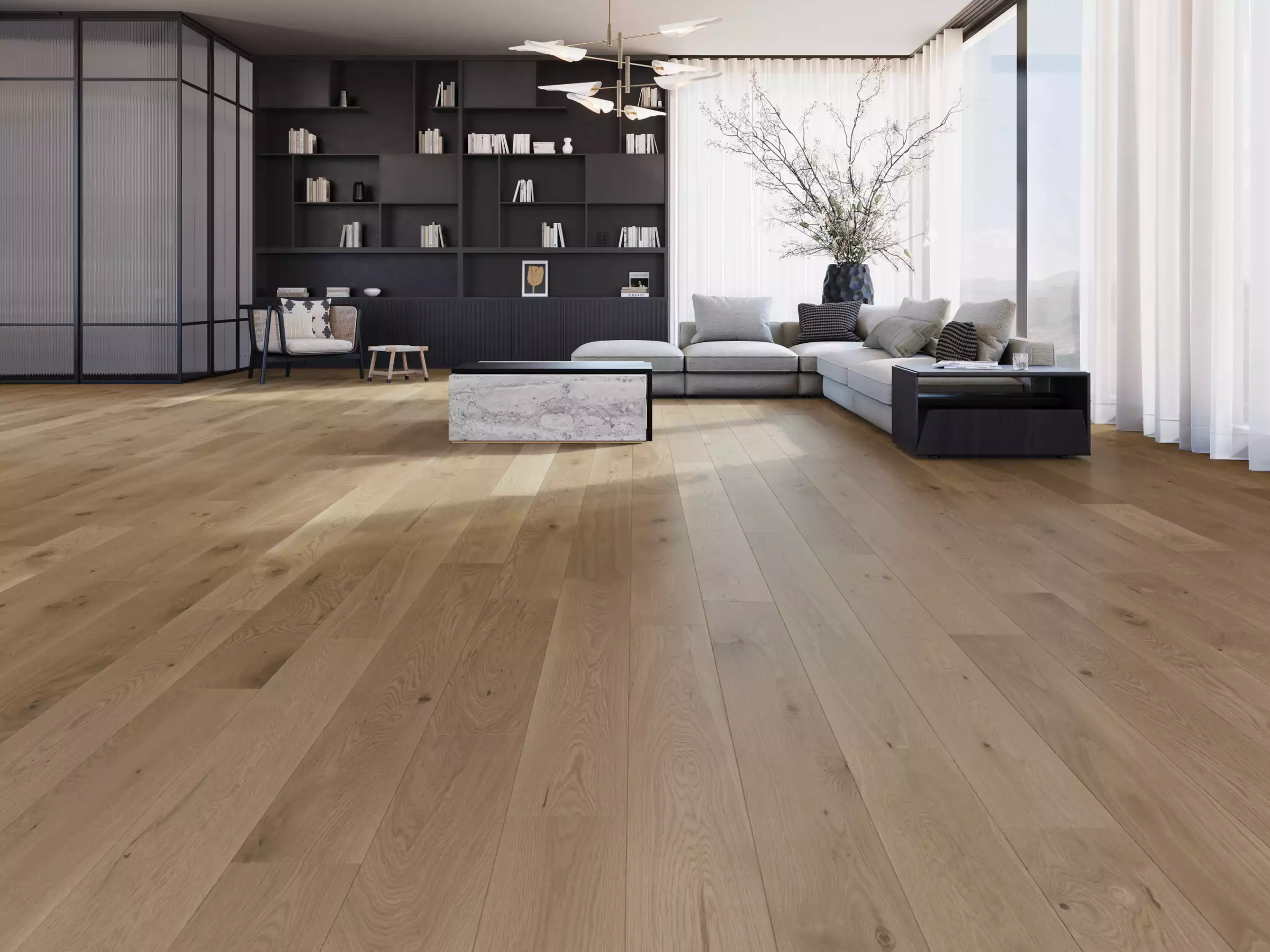
Modern manufacturing techniques such as wire brushing, hand scraping, and embossing replicate textures that give wood flooring a time-worn, vintage appeal. While many of these processes were once done entirely by hand, much of the work today is accomplished through sophisticated automation that delivers consistent, high-quality results.
Finishing: The Final Step
In the final stage, planks pass through finishing lines where they are carefully sanded and stained to achieve the desired color and appearance. Multiple coats of durable polyurethane finish are applied for long-lasting protection against daily wear, scratches, and moisture. This finishing process ensures your hardwood floors maintain their beauty for decades.
Quality Control and Packaging
Completed flooring products undergo rigorous quality checks before packaging. Planks from single production runs are packaged together to ensure color consistency, so when you open your flooring boxes at home, every plank blends seamlessly with the next.